Yoga In Schools Supports Character Education Programs
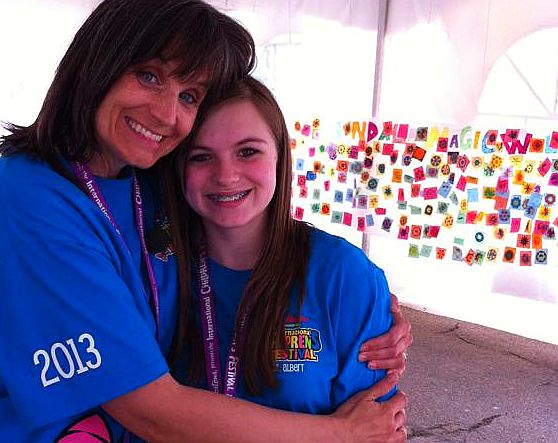
Colored Rice Mandalas a Hit at Children’s Festival
What a week! Over 1000 people came through the Mandala Magic site activity over the 5 days of the International Children’s Festival. We used 45 gallons of rice to create hundreds of colorful mandalas.
-
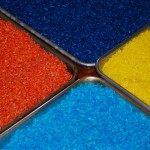
- colored rice – used 45 gallons of the stuff
-
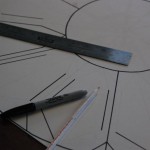
- creating mandala templates
-
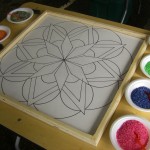
- ready for the next group
-
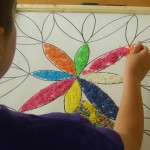
- a work in progress
-
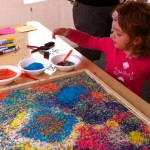
- mindful fun for all ages
-
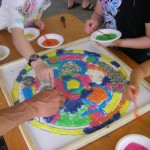
- working together
-
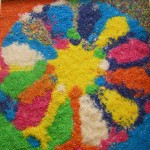
- We’re done!
-
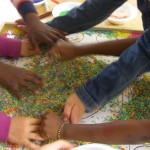
- creating rainbow rice
-
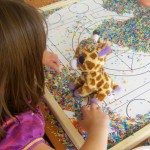
- even giraffe’s like to play
-
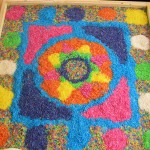
- patterning w circles, squares & stars
-
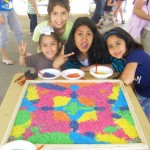
- 4 siblings worked together to create visual art
-
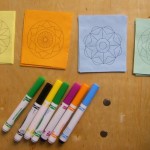
- mini mandalas to color
-
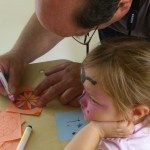
- Dad getting in on the fun
-
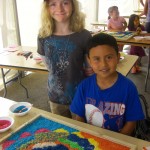
- they began as strangers and ended as friends w a shared piece of art
-
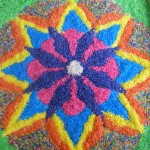
- gorgeous
-
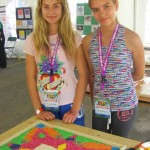
- 2 teens creating for 30 minutes = beauty in action
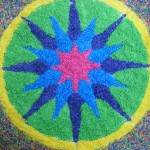
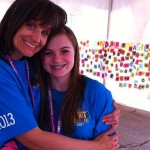
Many teachers and parents asked how the rice was colored to achieve the bright, vibrant colors. Here is the recipe I used – the secret ingredient is hand sanitizer.
- 8 cups rice
- 1/2 bottle food coloring (less for lighter color)
- 4 Tbsp hand sanitizer
Mix all ingredients in a large bowl. Spread in rimmed cookie sheet to dry (approx 30-45 mins).
Toe-ga Kids Yoga Sorting Game
This easy to play kids yoga game develops the dexterity and flexibility of the feet while also working on core stability and balance. Add in a sorting/classifying element (an early math skill) and you’re golden!
How to Play Toe-ga
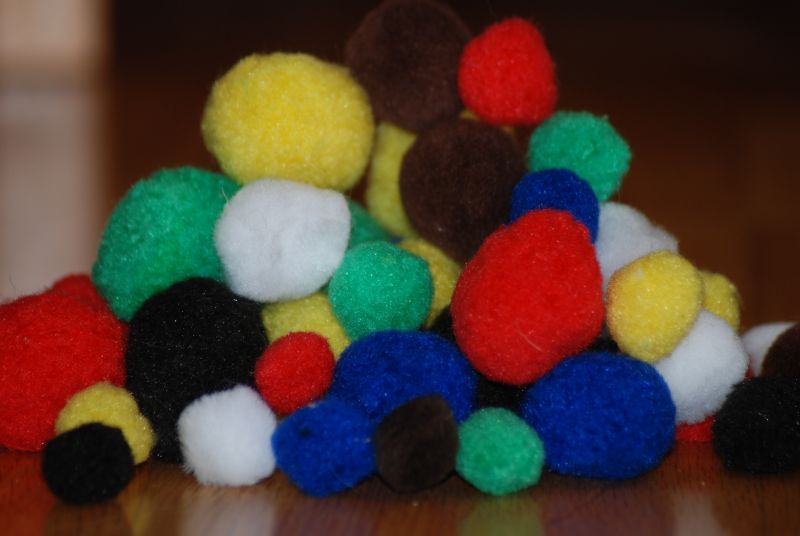
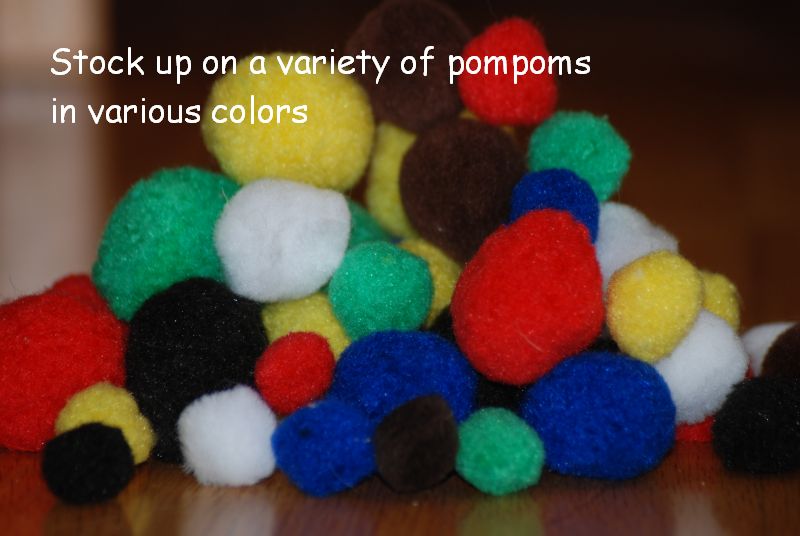
For years I’ve been playing Toe-ga with my kids yoga classes. This is where you scatter a number of craft pompoms on the floor and then have children pick them up and put them into a container using only their toes. Toe-ga is always a hit and is often requested again & again. Usually I use small plastic baskets or cups as the container.
Then I found this creative use of a muffin tin to sort by color and develop fine motor skills on Raising 4 Princesses. I knew immediately that this would work like a charm for Toe-ga. So I dug out a mini-muffin tin and my pompoms and got to work.
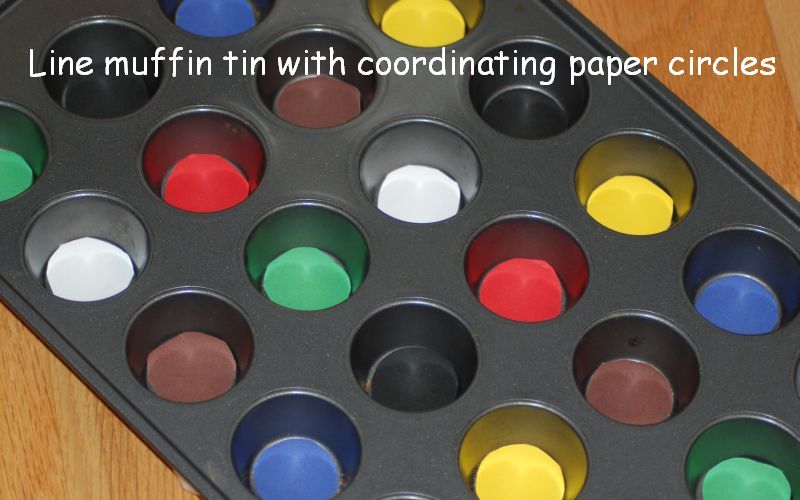
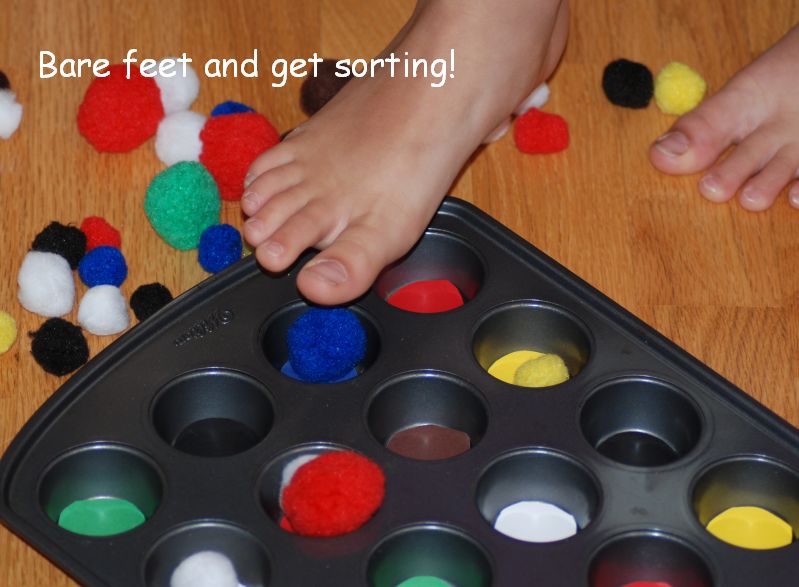
I’ll be using my fine new Toe-ga Kids Yoga Sorting Game whenever I teach a colors kids yoga class. For tons of great yoga ideas to teach colors check out My Many Colored Days on Omazing Kids.
Toe-ga and over 100 other fun and creative kids yoga games will soon be available for download in our fabulous new resource Yoga Games Galore, scheduled for release late September 2012. Like us on Facebook and watch for the announcement.
How Yoga Enhances Learning in the Classroom
Shapes: A Kids Yoga Class
Fun Kids Yoga Videos Now Available
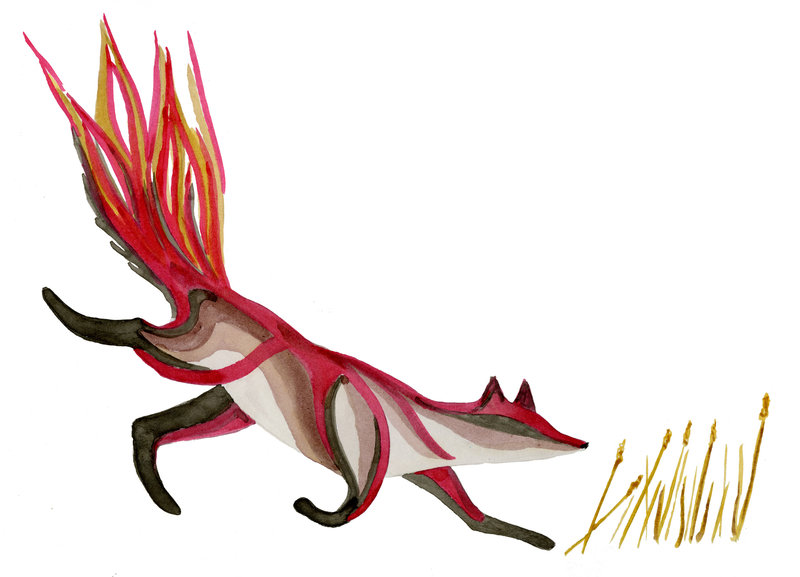
Aesops Fables with a Twist: The Farmer and the Fox
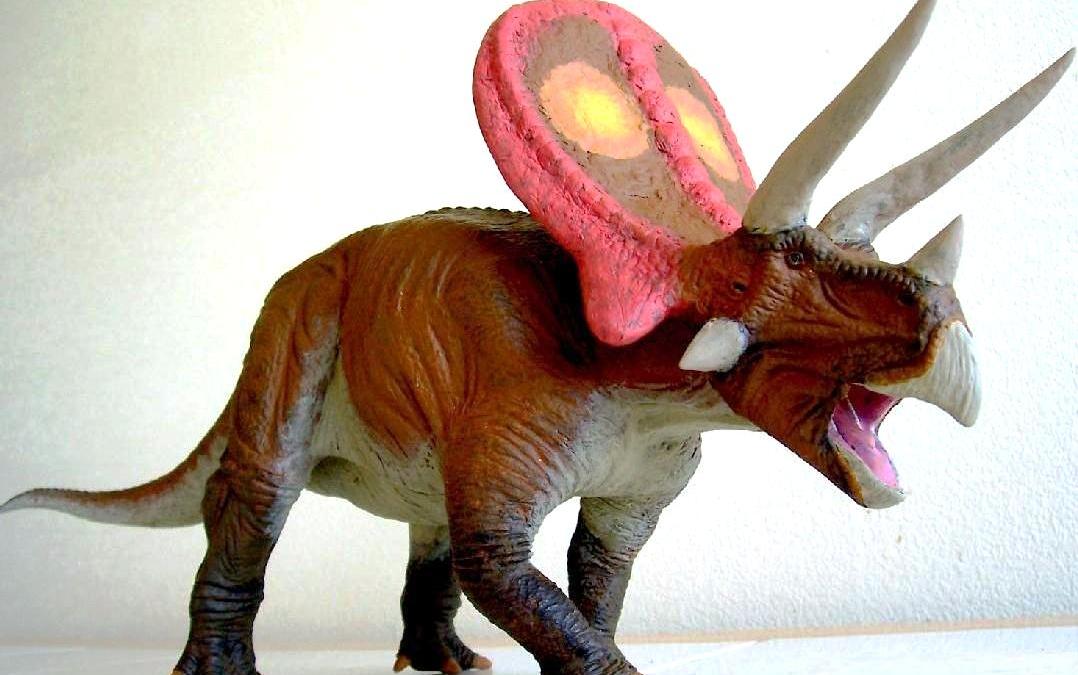
Dinosaur Yoga: A Yoga Class for Kids
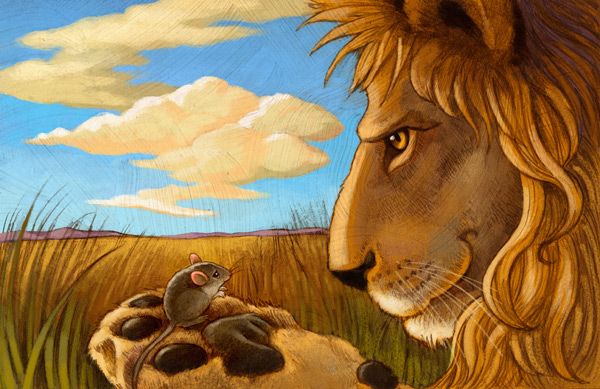
Aesops Fables with a Twist: The Lion and the Mouse
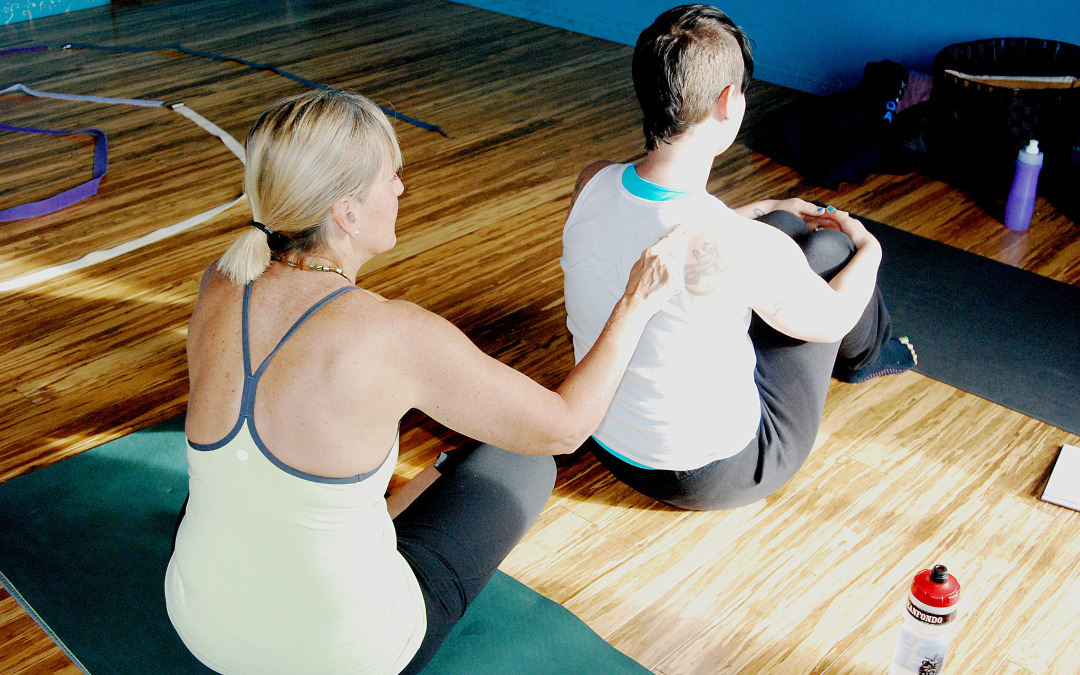
Kids Yoga Games – Body Chalk Board
Body Chalk Board is a great way to increase body awareness and sensory perception. Learning to rely on touch alone is a challenging skill and helps to focus attention and improve mindfulness. In the ‘olden days’ my sisters and I would play Body Chalk Board on long car trips. (Yes, we did have cars back then.) Today, I often use this technique when reviewing spelling words with my own children or often to simply tell them I love them with a short message written on their palm. It is always a hit when we pair up during kids yoga class and children try to spell the names of the poses on one another’s backs before practicing them. This game is also fantastic for learning cooperation and communication skills. You may even want to try it with your teens to keep them connected to their body.
Body Chalk Board
Divide group into pairs. Sitting in easy pose (sukhasana), often referred to as criss cross, with one partner in front of the other use your partner’s back as a chalk board. Using a finger draw numbers, shapes or letters of the alphabet on the ‘chalk board’. The person whose back is the ‘chalk board’ guesses what is being drawn. Wipe the ‘chalk board’ clean with flat palms from top to bottom or side to side before switching roles.
For more of a challenge send a message via the ‘chalk board’ that the person in front writes down letter by letter as it is received.
To encourage sensory development and awareness do the same thing using other parts of the body: stomach, soles of feet, palms of hands. This is a wonderful game for children with sensory processing challenges (SPD, Autism, ADHD, etc).
Visit our Yoga Games page for more amazing & fun yoga games to enjoy yoga with kids and teens.

Aid Japan One Asana at a Time

Kids Yoga Develops Reading Readiness
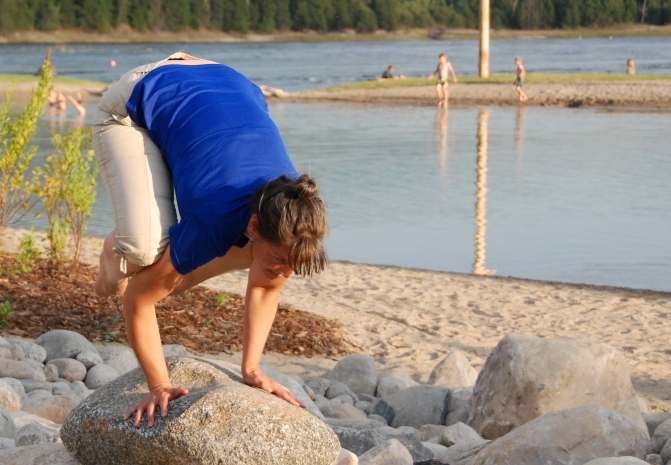
Learning to Fly: A 13 Relationship with Crow Pose
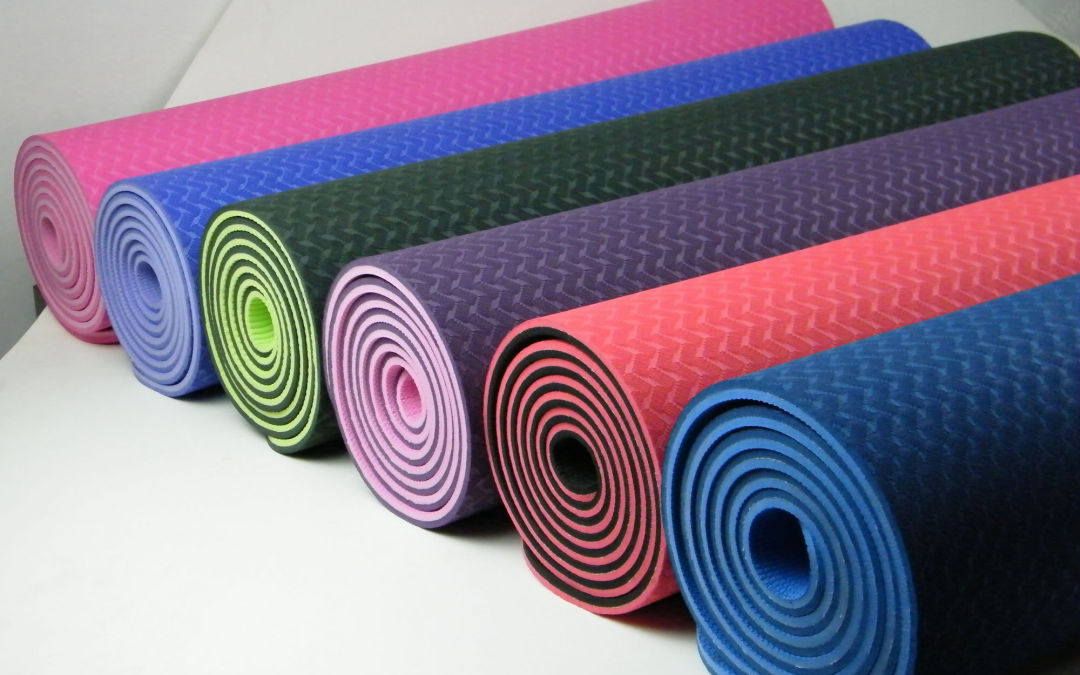
Kids Yoga Games – Musical Mats
 Podcasts
- Trauma Informed Parenting with Hala Khouri November 10, 2022The incredible Hala Khouri is our guest in this episode of the Yoga In My School podcast.Hala brings her extensive expertise in somatic experiencing, psychology, social justice, movement, and mindfulness as we discuss trauma informed parenting. Discover parenting with curiosity and awareness of our own conditioning so we can be more sensitive to the complex […]Donna Freeman
Upcoming Events