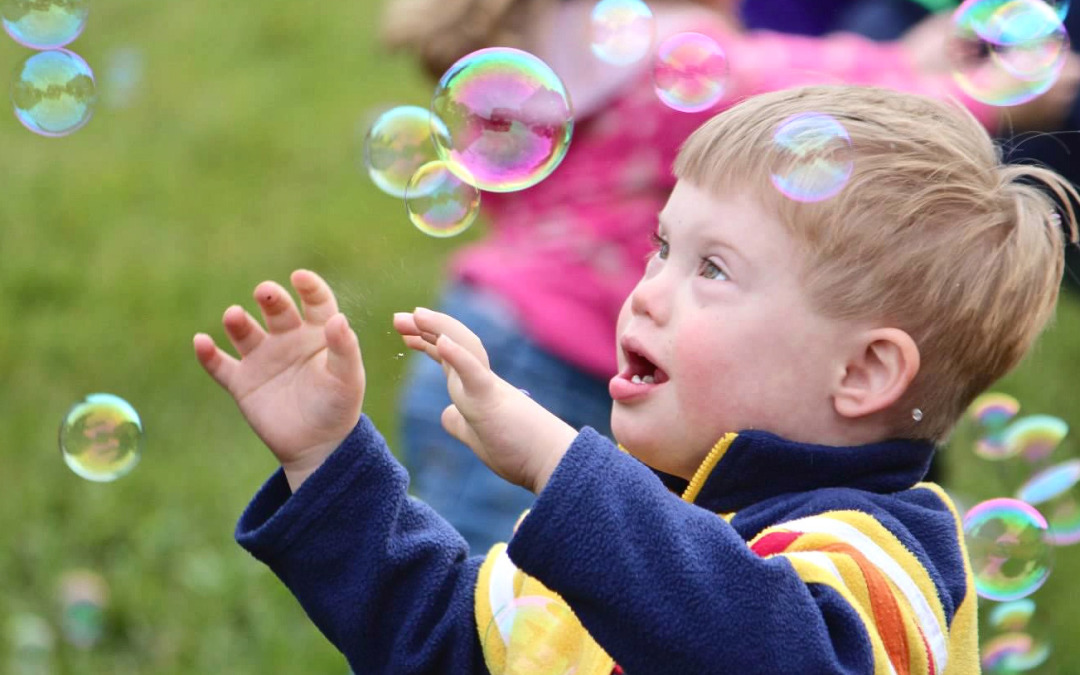
Yoga for Down Syndrome
Down syndrome (DS) results from an extra chromosome added to an individual’s genetic makeup and is the most frequent chromosonal disorder occurring in 1 in 800 live births. DS is caused by an error in cell division at conception. Individuals with DS will have developmental delays which need to be taken into consideration, but they are more like others than they are different.
Yoga can help individuals with Down Syndrome by stimulating both physical and mental abilities. For many with DS, yoga can serve as a personal physical therapy routine which can be practised alone, with a partner, or in groups.
Some of the benefits for yoga in regards to DS include:
- improving the central nervous system
- toning the body
- increasing strength
- developing concentration & memory
- balancing hormones
- regulating sleep/wake rhythms
- developing discipline
- improving balance
- teaching decision making with respect for self & others
- increasing body awareness
- providing a safe and fun form of exercise
- improving self-esteem
Parents, teachers and care givers need to pay strict attention to individuals with DS when they are practicing yoga poses so as to ensure that they do not overstretch. The loose nature of their muscles and ligaments allows for more flexibility than normal. This combined with their exuberant nature and lack of knowing their own limits may lead to injury. Please proceed carefully following guidelines and working safely. Also keep in mind that yoga poses may need to be modified to accommodate shorter limbs and smaller stature common with DS.
Hypotonia (or low muscle tone) is characteristic in most children with DS. Yoga poses will help strengthen the muscles, tighten the ligaments, and tone the overall body. Standing poses such as Mountain, Triangle and Warrior II are especially beneficial for unstable knee caps, weak ankles and flat feet.
Twists will assist in massaging internal organs and relieving digestive ailments and constipation. They work by compressing the organs while performing the twist, then bathing then in oxygen rich blood upon release. Twists will also help promote good posture and teach how to move with the breath, improving oxygen absorption and body awareness. A number of safe and easy twists are explained in Yoga Twists for Kids.
Thyroid dysfunction, which affects growth and metabolism, is often a concern for children with DS. A regular yoga practice will stimulate the thyroid gland via jalandhara bandha, a restriction of the throat, and practicing Bridge Pose and Shoulder Stand. Please be certain that no atlantoaxial instability exists before attempting these poses. It is recommended that these be taught under the supervision of a certified yoga instructor familiar with the physical challenges of DS.
Sound therapy through chanting, mantras, drumming, etc. is especially beneficial. Sound vibrations have healing qualities and children respond readily to any activities involving instruments or singing. One such example is Singing Stuffies.
Yoga practice also stresses breathing exercises or pranayama. These exercises will help ease pulmonary hypertension and provide a safe workout for children with congenital heart defects often associated with DS. In addition, they will ease nasal congestion and help protect against pulmonary problems and infections by building the immune system. Two exercises which are beneficial are Observing the Breath and Air Walk.
Relaxation techniques, such as guided imagery and progressive muscle relaxation, are especially enjoyable during Corpse Pose. Engaging in these activities, children can empower themselves, create calm, reduce tension and improve concentration.
 Podcasts
- Trauma Informed Parenting with Hala Khouri November 10, 2022The incredible Hala Khouri is our guest in this episode of the Yoga In My School podcast.Hala brings her extensive expertise in somatic experiencing, psychology, social justice, movement, and mindfulness as we discuss trauma informed parenting. Discover parenting with curiosity and awareness of our own conditioning so we can be more sensitive to the complex […]Donna Freeman
Upcoming Events