Tag Archive | "visualizations"

Natural Elements: Connect, Move, Relax


Bookmark and Share
Guest post by Jennifer Cohen Harper

This activity, inspired by Thich Nhat Hanh’s pebble meditation, connects students to aspects of nature and the different kinds of strength that make up the whole.

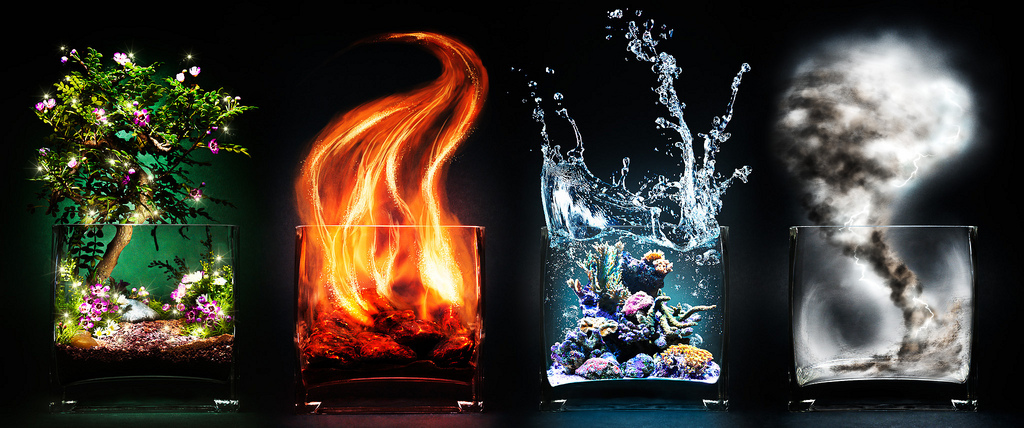
In this Little Flower Yoga version of a pebble meditation practice, we incorporate movement, drawing and journaling, along with the a mindfulness practice, to create a complete experience for our students. You can do this activity all at once, or you can break it up into smaller parts and practice it with your children over several sessions. Using small stones to represent each of element is something that supports the students and provides a grounding energy to the activity. Four different colored stones will represent the following: mountain, tree, flower, still water.

To introduce this activity you want to give the students a chance to explore the feeling of each element. A wonderful way to do this is to allow the students time to draw each element as part of their practice.

1. Give each child 4 stones (one of each color – and tell them that these stones represent a mountain, a tree, a flower and still water) and 4 index cards, and ask them to put them on their mat in front of them.

On the first card, ask the students to draw a picture of a mountain. Now pick up your first pebble, which will represent a mountain (you can let the students choose which color best represents a mountain to them). Tell the students that a mountain represents strength and stability, and that inside each one of them is a mountain that is strong and steady, no matter what is happening around them. Have them hold the stone they have chosen, come into mountain pose, and then practice saying the following together: “Breathing in I see myself as a mountain, Breathing out I feel strong.” Repeat this 3 or 4 times, and then take one or two breaths silently together. Have them write along the bottom of their drawing Breathing in I see myself as a mountain, Breathing out I feel strong. Optionally, on the other side of the card, they can draw a picture of themselves in mountain pose.

2. The next element to explore is a tree. Invite the students to draw a tree on the next index card. Then pick up the pebble that represents a tree, and come to stand in tree pose. Tell the students that a tree represents balance as it reaches its roots down into the earth, and it’s branches up to the sky. Let them know that they have the balance of a tree inside each of them, and that this balance will help them live a healthy life. Practice saying together: “Breathing in I see myself as a tree, Breathing out I feel balanced.” Repeat 3 or 4 times, and then take one or two breaths silently together. Have them write along the bottom of their drawing Breathing in I see myself as a tree, Breathing out I feel balance. Optionally, on the other side of the card, they can draw a picture of themselves in tree pose.

3. The next element is a flower. Have the students draw a flower on their third index card, and have them choose a stone to represent flowers. Then come into flower pose. Tell them that a flower represents joy and beauty. Inside each of us is a flower that is always growing, keeping us joyful even during hard times. Practice saying together: “Breathing in I see myself as a flower, Breathing out I feel joyful.” Repeat 3 or 4 times, and then take one or two breaths silently together. Have them write along the bottom of their drawing Breathing in I see myself as a flower, Breathing out I feel joyful. Optionally, on the other side of the card, they can draw a picture of themselves in flower pose.

4. The final element that we will explore is still water. Have the students draw still water on their fourth index card. They might need more support with this drawing, and you can discuss still water being a lake or pond. Tell the students that still water represents calm and peacefulness. Inside all of us is a vast lake of calm still water that helps us keep our life peaceful. Have them hold their last stone, and come into savasana. Practice saying together: “Breathing in I see myself as still water, Breathing out I feel peaceful.” Repeat 3 or 4 times, and then take one or two breaths silently together. You can extend this element by allowing the children to rest in savasana either in silence or with some gentle music playing. Once they have come out of savasana, have them write along the bottom of their drawing Breathing in I see myself as still water, Breathing out I feel peaceful. Optionally, on the other side of the card, they can draw a picture of themselves in savasana.

5. After children have explored the feeling of these elements through postures and visualization, a journaling activity helps make the experience even more concrete and meaningful, and gives them time to reflect. You can use pages that you have created and photocopied for the students, or you can just have them write and complete the following thoughts in a journal:

Mountain: I feel strong when_________________________________

Tree: I feel balanced when___________________________________

Flower: I feel joyful when____________________________________

Still Water: I feel peaceful when________________________________

Jennifer Cohen Harper is a leading voice in the children’s yoga community and dedicated to making yoga and mindfulness practices accessible to all children regardless of circumstance. She is the founder and director of Little Flower Yoga. Based in NY, Little Flower directly serves over 700 children per week in NYC schools, and reaches many more through staff development, school consultations, and a world wide network of trained teachers. Jennifer leads the well respected Little Flower Yoga Teacher Training for Children program and frequently collaborates with other organizations to bring yoga for children to places as diverse as tent cities in Port-au-Prince and FAO Schwarz in Manhattan. Jenn is a  founding member of the Yoga Service Council, and an active member of the International Association of Yoga Therapists and the Association for School Yoga and Mindfulness. Children love Jenn’s willingness to engage in mutual silliness, while also appreciating the genuine respect that she has for her students of all ages.

3 people like this post.

Posted in creative, kids yoga, meditation, mindfulnessComments (0)

3 Easy Steps to Helping Kids Set Goals the Yoga Way


Bookmark and Share

Setting goals is an important skill to teach children. By reflecting on their interests and abilities and deciding upon areas where they want to improve, children learn valuable self-reflections tools. Goals also help improve concentration, self-esteem and motivation as they provide a focus for mental and physical energy. Having a defined purpose also helps avoid feeling lost, bored or depressed and assists children in feeling stronger, smarter and able to take on even greater challenges each and every day.

While yoga teaches contentment with the here and now, it also encourages us to strive to be our best selves. Two yoga niyamas deal with setting goals. Tapas (self-discipline) encourages making a concerted effort and not giving up easily by developing habits of hard work and perseverance. Svadhyaya (lifelong study and learning) encourages self-contemplation and investigating subjects of interest with an open heart and mind.

1. Create Goals

The first step in setting goals is to reflect upon what you want in life. Allow children to come up with their own goals thereby increasing self-motivation. The role of the adult here is to help them make the goals realistic and attainable being sensitive to age, interests, maturity and resources. Create a vision of what life will be like when the goal is achieved and why it is important.

2. Develop a Plan

Next you need to develop a plan and take focused action. This is where you define the goal, outline the steps needed to achieve the goal, consider roadblocks and how to overcome them and set deadlines. Often children will need to set mini-goals, breaking down big goals into specific, measurable tasks. Be sure to write down the goal and post it somewhere where it can be reviewed regularly (on a desk at school, the bathroom mirror). It is helpful to set an intention and create an affirmation which support the goal and powerfully impact its accomplishment.

3. Build Community

The final step is to build support for turning intentions into reality. Work together to achieve goals, being supportive and encouraging. You are your child’s biggest cheerleader. Tell others about how hard your child is working and how they inspire you through their hard work, willingness to improve and self-discipline. Be an example yourself by working toward your own goals and discussing the things you are learning in open, loving ways. Most of all have fun, enjoy the journey, laugh at your foibles and celebrate success.

Be it at the new year, the beginning of the school term, at the solstices, or anytime throughout the year, taking the time to set goals will help children feel in control of their life and increase their sense of accomplishment.

Join our Facebook community for more content, links and tips on teaching yoga to kids and teenagers.

1 person likes this post.

Posted in kids yoga, yoga basics, yoga in schoolComments (1)

My Favorite Yoga Prop – Feathers


Bookmark and Share
Guest post by Sarah Herrington.

Bringing out a bag of colorful soft feathers adds instant excitement to yoga class.   Feathers allow kids to see the breath, add a fun twist to bird poses of any kind, and make for some fun yoga games!  Feathers can even make savasana more special.

Pranayama Practice

Even the youngest of yogis can become more aware of breath and the connection between breath and emotions.  Simply holding a feather in front of your nose during kid-pranayama practice (which might consist of Bunny Breath to energize or Take Five Breath to calm down) makes breath visible.  Try blowing soft enough to move the fluffy part of the feather and then hard enough to move the stiff part of the feather.  Can you see your feather move, fast or slow, depending on how you’re breathing?  How does “fast” breath make you feel?  How does “slow” breath make you feel?  Practice Ujjayi breath by holding the feather under your nose and keeping your lips sealed like an envelope.

Floating Feather Game

Celebrate the power of breath by playing this game with yourself or a friend.  Using only your breath (no fingers or toes), keep your feather afloat.  Don’t let it touch the floor!  Try playing a little feather-volleyball with a friend.

Find the Feather Game

“Find the Feather,” is an intuition game.  Invite one yogi to be the “seeker”, and ask her to hide in the corner of the room, with no peeking.  Then, hide the feather under another yogi’s mat. Invite the seeker back and ask her to guess where the feather is hiding.  Talk about what it means to “go with your gut” and use your intuition.  You’d be amazed how many times the yogi will find the feather on the first or second try!

Pigeonpose_with_featherBird Asanas

Feathers make learning our bird poses even more fun.  Hand out feathers when working on Eagle pose or Flamingo.  Let the kids be inspired to feel the source of their asanas even more fully given the feathers.  Decorate your pigeon with a feather or two or allow your swan to ruffle its feathers in movement.

Savasana

Feathers are great to use during savasana/ relaxation.  You can give your savasana-students “Feather Massages.”  As always, ask kids if they want to be touched.  (I have students put a thumb up in the air during savasana if they want an adjustment or massage.)  Lightly move the feather across the third-eye area.  Kids will lie really still in anticipation of a feather massage, so this helps in savasana management!  You can also gently place a feather on the belly or chest during savasana so there is an awareness of how breath effects the body when it enters and leaves.  You may even want to place several feathers around each relaxing yogi and lead the class through a “Bed of Feathers” guided visualization.  All of these techniques keep young yogis more still during savasana time.

Let your imagination soar as you and your students invent even more ways to use feathers in yoga class!  Even hanging some feathers in the yoga space can act as a constant reminder of this important, but invisible, part of the yoga practice.  Breathe deep, and let the feathers fly! 

Sarah Herrington is a full-time kids and Vinyasa yoga teacher in Manhattan.  For the past several years she’s taught 25 kids yoga classes a week in the public school and charter school system in NYC.  She has completed trainings through KarmaKids Yoga, MiniYogis and YogaEd, along with the training of teaching daily.  Her kids classes are infused with the joy and fun of yoga, and her Vinyasa classes with the power of intention, mindfulness, and breath.  She can be found online at: http://www.sarahherrington.com

2 people like this post.

Posted in breathing, kids yoga, poses, yoga basics, yoga gamesComments (2)

My Favourite Colour: A Guided Visualization for Relaxation


Bookmark and Share

Relaxation is essential. Learning to relax is key to a healthy lifestyle, stress relief, and knowing oneself. Children today are over-stimulated, over-programmed, and often have no idea what true relaxation looks or feels like. I often encourage educators, parents, health professionals and youth leaders that if nothing else from all that yoga has to offer for children, please, please teach the children in your life how to relax.

For all of you who have attended my workshop Once Upon a Pose, this short guided visualization will bring back wonderful memories of the last few minutes we spent together exploring the world of children’s yoga. My Favourite Colour is the guided visualization included at the back of the FREE e-book The Pet Store/L’animalerie, which you can download by entering your name and e-mail in the right side bar.

So close your eyes, sit back, and breathe.

Audio clip: Adobe Flash Player (version 9 or above) is required to play this audio clip. Download the latest version here. You also need to have JavaScript enabled in your browser.


Many more guided visualizations for relaxation which are easy to do with children are included in the book Once Upon a Pose: A Guide to Yoga Adventure Stories for Children, Chapter #6: Relaxation.

I hope you have a wonderful day filled with light, vitality and energy. Namaste.

3 people like this post.

Posted in benefits, breathing, meditation, relaxationComments (2)

My Favourite Yoga Prop – Magic Stones


Bookmark and Share

Yoga In My School has invited a number of kids yoga experts to share their favourite yoga prop and how they use it. If you are interested in submitting an article for this series please e-mail donna@yogainmyschool.com.

Amy Bevan (The PranaMama) enjoys using small, smooth, shiny stones in her kids yoga classes. These stones can easily be found at dollar stores, discount garden supply stores and craft stores. They are relatively inexpensive but are one of the heavier yoga props to cart around. ”Magic stones” are a wonderful way to celebrate Earth Day and connect with our planet.

Amy suggests using them in this manner:

While the small, smooth, shiny stones are a great play object for the tactile learner, the larger ones can also benefit kids who have a hard time settling down at night or simply relaxing after a busy activity.

In my pre-school yoga classes, I used these stones during Savasana, or the relaxation phase of class.  Once lying down with their eyes closed, I would lead a guided visualization. (Visit Magic Stones Help Calm Kids for an example.)

I would then pass out a magic stone to each child.  I remind them that this is their magic stone to keep, and by holding it in their hand, they can be transformed to the meadow, and to a feeling of peace and relaxation.  I suggest they can keep it in their pocket, their backpack or by their bedside.   Most kids are thrilled and want to compare theirs to the other children, and immediately share where they plan to keep it.

It’s amazing how a small, simple object can represent rest and relaxation, as well as peace and security, to a child.  You could also make up your own story about the stone and its magic powers.  I gave my own daughter a magic stone during a period of being afraid to go to sleep without one of her parents lying down with her, telling her it was a magic stone that would keep her safe and warm at night, helping her to fall asleep peacefully.  She would hold it tightly in her hand and allow us to leave her at bedtime.  My husband enjoyed more time together, instead of one of us spending the evening in the dark, waiting for her to fall asleep.  Everyone wins!

 Amy Bevan is a freelance writer, local reporter and host of The PranaMama, an online wellness and lifestyle magazine, and frequent contributor to the ChildLight Yoga Blog, The Kids Yoga Resource, as well as certified ChildLight Yoga Instructor and Itsy Bitsy Yoga facilitator.  Amy resides in South Berwick, ME with her husband and two young children.


Be the first to like.

Posted in kids yoga, products-kidsComments (2)

Four Ways to Help Your Kids Become Stress Free


Bookmark and Share

Recently I was fortunate to be able to interview Lori Lite of Stress Free Kids and Shark Tank fame. She is an amazing woman whose life work is to reduce anxiety, stress and anger in kids, while building self esteem and promoting a peaceful sleep.

Visit My Interview with Stress Free Kids Author Lori Lite to listen to the entire interview.

We talked about how vital it is to help children reduce the stress in their lives. Kids today are more aware of what is happening in the world, are victims of violence, live with the repercussions of divorce, and have greater stress and anxiety than ever before.  It is vital that we teach children the skills they need to combat these stressors. Lori’s books and CD’s use well known and effective stress management techniques in an engaging and age appropriate manner. During the interview we discussed four different techniques and how useful they are in reducing anxiety and stress.

Diaphragmatic Breathing

Becoming aware of your breath is vital. Once you become aware, your breath deepens and evens, and the mind becomes calm. Children need to learn how to breathe properly and diaphragmatic breathing is the first step in reducing stress. It is easy and is how babies breathe naturally, using their belly instead of their chest.

Progressive Muscle Relaxation: Active & Passive

Focusing, in turn, on specific parts of the body and tensing, then releasing (active) or simply willing the stress to leave (passive) are commonly used relaxation techniques during savasana (corpse pose). These techniques help to dissolve tension and teach the body what it feels like to be relaxed. Children can then recall that sensation during times of stress or use the techniques themselves to reduce anxiety and promote calm.

Visualizations

Taking a mental vacation is a method of stopping the chatter in your mind. Guided imagery and visualizations provide a focal point that replaces the mental chatter with the imagination to heal the body. These often involve colours or scenes such as the beach, park, etc. to encourage the body to relax.

Affirmations

Affirmations are extremely powerful at improving self-esteem. These are personal positive statements that help empower and relax children. Children can create their own affirmations to help them throughout the day which they can use anytime, anywhere. The words we think and say influence how we act, feel and live. Affirmations are a potent tool in the battle against stress.

For more information on these techniques listen to My Interview with Stress Free Kids Author Lori Lite.

You can learn more about Lori Lite or her many books and CD’s which help kids reduce stress and anxiety by visiting her website Stress Free Kids.

1 person likes this post.

Posted in benefits, breathing, relaxationComments (0)


Yoga Cart

Your Yoga Cart is empty

Categories

Top Yoga Blog