
Tag Archive | "chanting"

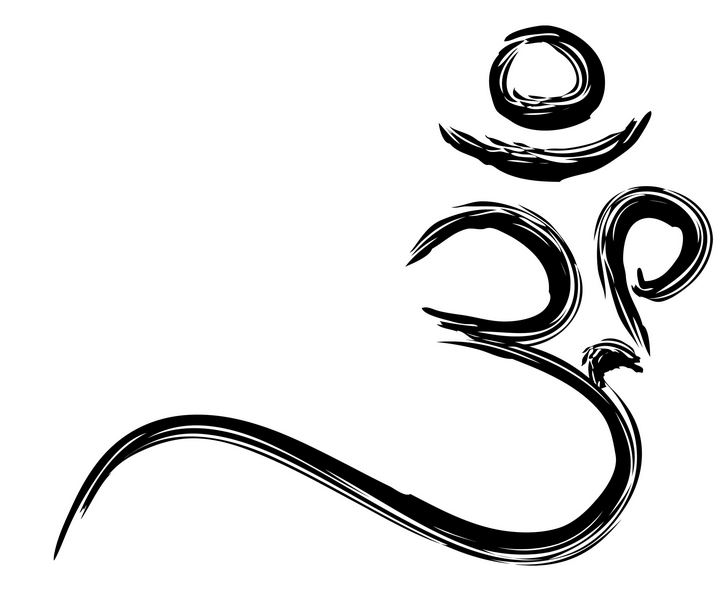
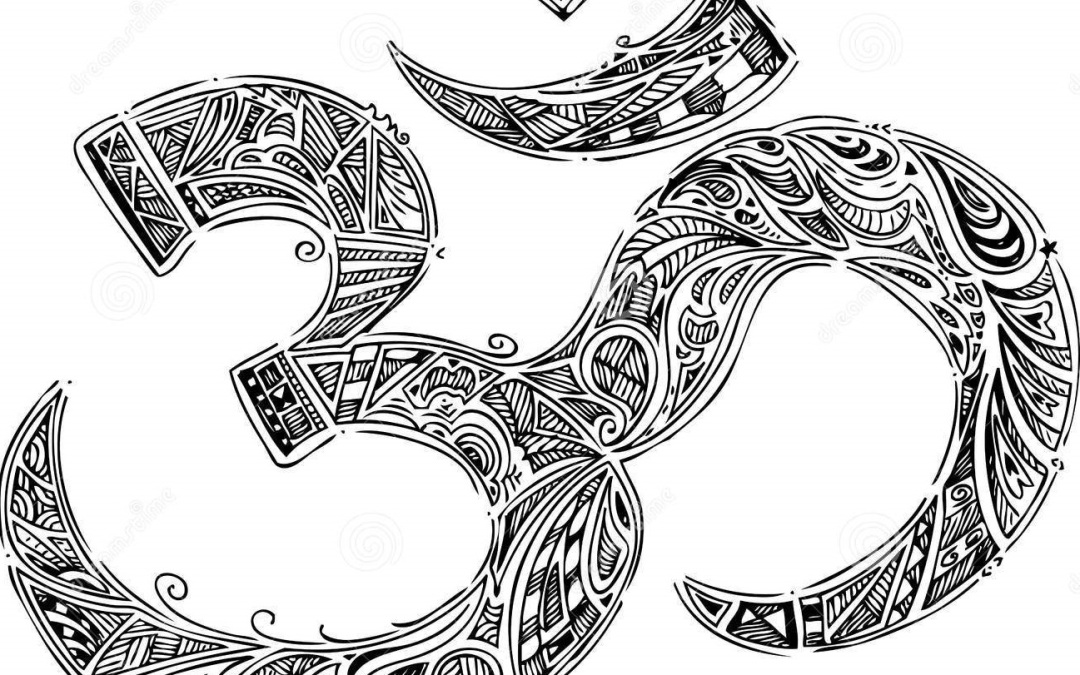
OM The Sound of the Universe


This is Part 1 in a four part series on Om for Kids and Teens. Watch for Part 2: Chanting OM: How to Teach Kids to Chant (Video), Part 3: To Om or Not to Om and Part 4: The Benefits of Om coming soon.

Yoga Chanting for Kids & Teens

Often when I visit a class for the first time a number of kids come in right away, sit cross legged, hands in the air, thumb and index finger joined, and spontaneously chant “om.” Their natural curiosity and receptivity always makes me smile. They are so adorable in their sweet innocence as they connect with this universal sound and mudra (hand position).

Teaching Om

Now for a little guidance.

One of the easiest, and most approachable, ways to teach “om” is to break it down into A-U-M.

Sit cross-legged, place your hands on your knees in gyan mudra (thumb and index finger forming a circle, other fingers elongated). Aum is generally considered to have 3 1/2 measures: A, U, M and silence. Close your eyes, inhale then exhale as you perform Aum, repeating three times. The sounds ahhhh starts in our chest at the heart center, moves upward with the ooooo sound in the throat center, and ends with the sounds mmmmm, which vibrates the higher centers in the head. (~Once Upon a Pose, p. 4)

It’s fun to play around with variations in volume, pitch and timing. As with any yoga practice, approach “om” with curiosity and openness to see what feels right to you.

Three Symbols of Om

If you’d like to go all Hindu with your students you can explore the symbolism behind the sound. According to the Mandukya Upanishad,

Om is the one eternal syllable of which all that exists is but the development. The past, the present, and the future are all included in this one sound, and all that exists beyond the three forms of time is also implied in it.

Each tone of “om” relates to a time of life, a power and a Hindu deity/philosophy.

A = birth, creative power (Brahma)

U = life, sustaining power (Vishnu)

M = death, destructive power (Shiva)

silence = bliss, pure consciousness (Turiya)

How do you teach “om” to kids and teens?


1 person likes this post.

Posted in benefits, featured, meditation, yoga basicsComments (0)

How to Create Focus and Purpose in Pre-School Yoga Class


Routine With Variety Key in Kids Yoga Class

Recently I received this e-mail.

My name is Maureen, I am a pre-school teacher of children ages 2-5 and am bringing my love of yoga to my school this year. I have taught adult yoga for more than 11 years. I am certified through Kripalu and have done many other understudy programs. I am also qualified to teach kids…but with kids this young I am having trouble getting them started. I have tons of games, ideas, props, songs and stories…but I am having trouble, in these first introductory classes…starting the classes. Getting them not so much to be quiet or even pay attention, but how to help them understand what is going on and what we are doing. Today we learned  Namaste and the Namaste song. This was easy for a very first class. But from here on out I don’t really know how to get them ready for the class, how to start the class. Have any suggestions or thoughts that may help me out?

As Maureen has discovered teaching yoga to kids is a vastly different endeavor than teaching yoga to adults. Their attention span is short, they don’t want to sit for any length of time, and there is a wide variety of physical, emotional and mental abilities. It is essential that each class cater to these needs by including an assortment of activities to maintain interest and engage as many senses and learning modalities as possible.

A routine is also necessary to truly allow your students to thrive. Before embarking on any children’s yoga class be clear about your routine. Break down the time into short segments. Typically it may look something like this.

Elements of a Kids Yoga Class Routine


  • Class theme: For each class choose a theme. A thematic approach is essential at this age as it provides a mental framework and social/emotional/environmental reference for the yoga session. Link all your activities back to the theme. The book Once Upon a Pose includes 10 fully developed thematic yoga classes with music and literature in both English and French making this an easy task. For more ideas visit the Pre-school/Elementary Topics page.
  • Introduction: Use something you feel will set the stage and let the little ones know it is time to start yoga class. For pre-schoolers this could be a song. In this instance Maureen taught them the Namaste song during their first class together. There are lots of great kids yoga CDs that you can choose from. Sing the song at the beginning of each class. Use this to help them know it’s time to go to their mats, join in with the singing and get ready for yoga.
  • Breathing: Teach some form of child friendly pranayama. Remember Thich Nnat Hanh’s advice, “Smile, breathe and go slowly.” It is good for children to learn to calm and center themselves. With pre-schoolers this will take repeated and consistent effort. Go slowly and enjoy the journey.
  • Asanas: The bulk of the lesson may be spent doing a variety of yoga poses. The Alphabetical List of Poses is a great place to start. The down-loadable FREE  e-book The Pet Store (see right side bar) is a wonderful tool as well. This will show you how to develop a thematic class which includes a variety of asanas. I enjoy allowing the children to generate the ideas spontaneously according to the theme whenever possible. In this way they take ownership of the pose and become more fully engaged in the class.
  • Meditation & Chanting: If a simple meditation, such as the Meditation Owl, or a chant, such as Loka Samashta Sukhino Bhavantu, works into your theme by all means teach your class these valuable skills. Don’t be afraid to use Sanskrit even if your young charges don’t audibly repeat the words. The exposure to the exercises, rhythm of the language and feeling these activities generates will touch their hearts and minds.
  • Crafts, Games, Books & More: Any number of supplemental activities, such as crafts, coloring pages, games, songs and books, can be used during a kids yoga class. These activities stimulate the senses and involve additional learning modalities. As well, they help to keep the pace moving and provide endless variety. I often hand out simple crafts or coloring pages to my students for them to complete at home if we don’t have time during yoga class.
  • Final Relaxation: Savasana with a guided visualization which reinforces the concepts covered in class or a progressive muscle relaxation is the perfect way to end a pre-school class. Keep encouraging them to lie still, close their eyes, and keep their thoughts to themselves. You may have to move children away from a friend or encourage them to relax with a touch, a stuffed animal, an eye pillow, etc. Again this is a learned skill and all children will get better at it with practice.
  • Namaste: Always end with the same respect and gratitude that you would in any yoga class.

By following this basic outline yoga instructors are able to supply the routine necessary for young children to understand what will happen each week in yoga class while providing enough variety to keep it interesting and engaging their minds, bodies and spirits. Good luck and enjoy playing yoga!

Be sure to subscribe to our articles via RSS or e-mail. Also check out the many fabulous ideas on YogaInMySchoolTV on YouTube.

Posted in kids yoga, yoga basics, yoga in schoolComments (6)

Mantra Chanting Stuffies Inspire World Happiness


Mantras are sounds, syllables, words or phrases which can create change. A saying from the Vedas states “Speech is the essence of humanity.” As such, our speech has the power to influence ourselves and our world through vibration and intent. The most well known mantra is Aum or Om. Kids and teens love to chant mantras. They offer a way to connect with their inner selves, to heal, to become grounded, to access hope and to increase positive emotions by stimulating the left hemisphere of the brain through their vibrations.

Please enjoy Two-ey and Minty as they sing the mantraLoka Samasta Sukhino Bhavantu from the indomitable Beth Lapides.

Loka Samasta Sukhino Bhavantu
OM
Shan’ti Shan’ti Shan’ti

This chant means

  • Loka = world
  • Samasta = the whole/together
  • Sukino = the transcendal happiness
  • Bhavantu = let there be 
  • Shan’ti = peace

or “May peace and happiness be unto the world.”

Enjoy the trans-formative powers of this mantra anytime. This video will bring a smile to your face while the words will change your heart and perspective on the world. Om, Shan’ti.


Posted in creative, fun, kids yoga, meditation, teens yoga, yoga basicsComments (6)


Follow Yoga In My School

Categories

Top Yoga Blog