
Tag Archive | "curriculum"

Yoga in Schools: Turning Research into Effective Programs


Bookmark and Share

One of the most often asked question for school-based yoga programs is “Does it really work?” The International Association for School Yoga and Mindfulness (IASYM) responds with a resounding “YES!”

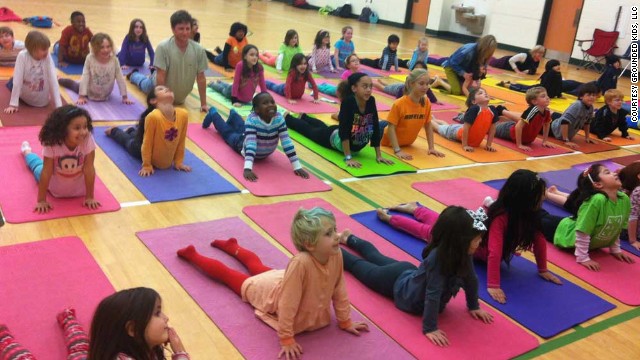
Our distinguished panel of quests will discuss some of the current research being conducted and how that research is translated into powerful school-based programs, bringing calm, focus and learning readiness into today’s classrooms. Karma Carpenter, Director of IASYM, Lynda Meeder, Director of YogaKids, Anne Buckley-Reen, OT & founder of Get Ready to Learn, and Cheryl Crawford, founder of Grounded, join us to share their experiences in researching the effects of yoga and mindfulness in schools. Discover how yoga is impacting kids, teachers and administrators through innovative programs proven effective by University research.

Original Air Date: April 25, 2012

Audio clip: Adobe Flash Player (version 9 or above) is required to play this audio clip. Download the latest version here. You also need to have JavaScript enabled in your browser.


Our panel of amazing guests can be found at:
Karma Carpenter

Facebook


Anne Buckley-Reen

Facebook


Cheryl Crawford

 Facebook


Lynda Meeder

Facebook

2 people like this post.

Posted in interviews, kids yoga, yoga in schoolComments (0)

Shapes: A Kids Yoga Class


Bookmark and Share

Teaching Shapes with Yoga

Using yoga as a tool to learn shapes is fun, kinaesthetic learning at its best.

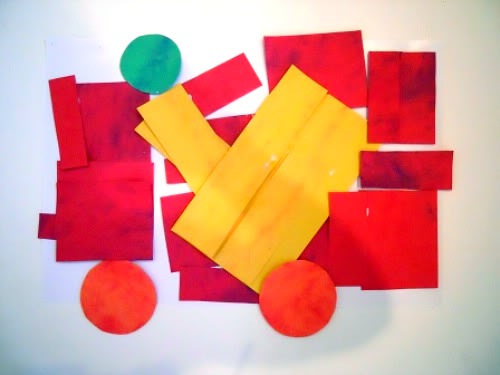
Children are able to become the shapes in various forms and sizes, using their hands, their bodies and their friends. This is an ideal way for children to experience and explore the world and move from non-verbal, physical understanding to abstract, mental comprehension. Performing shape yoga helps children grasp, internalize, and retain concepts in a creative and informative manner. In addition, using yoga to teach shapes improves communication, cooperation, problem-solving, creative thinking, analysis, observation and other skills key to success in school and life.

Learn Shapes Easily with Kids Yoga

The booklet, Shapes: A Kids Yoga Class, is ideal for pre-school, kindergarten and elementary school classes. I have taught this class with children aged 2-12 in schools, day cares, kids and family yoga classes, and at yoga summer camps. There are lots of ideas for various ages so use what works best for your group.

Have fun and play shape yoga today!

Shapes: A Kids Yoga Class
Shape yoga makes learning playful, novel and enjoyable: exactly what young children love. The 15 page booklet is packed with ideas on how to create shapes using yoga including mudrās (hand gestures), individual, partner and group poses, breathing exercises, mindfulness techniques, and a guided visualization. There are also numerous additional resources (games, music, crafts, books, flashcards) to support your shape yoga experience. Have fun and play shape yoga today!
Price: $7.93

Shapes: A Kids Yoga Class includes mudrās and poses for:

  • circle
  • diamond
  • triangle
  • star
  • crescent
  • rectangle
  • zig-zag
  • heart

Additional resources:

  • Yoga Games including – What Shape am I?, Lost My Shape, Shape Tumbling, Shape Patterns, Star/Black Hole
  • Music suggestions
  • Numerous links to crafts, printables, worksheets, mandalas
  • 10 Children’s literature recommendations
  • Guided Visualization (perfect for savasana)
  • Shape Flashcards
6 people like this post.

Posted in creative, curriculum applications, featured, fun, kids yoga, products-kids, yoga games, yoga in schoolComments (1)

Aesops Fables with a Twist: The Farmer and the Fox

Bookmark and Share

Aesop’s Fables are well loved the world over for their entertainment value and moral education. Here Sydney Solis adapts The Farmer and the Fox into a yoga story perfect for kids yoga classes. See also The Lion and the Mouse from last week.

From Sydney Solis of Storytime Yoga – See original post Mercy or Revenge? Aesop Stories and Yoga for Children

There was once a farmer who had a large wheat farm. One day he discovered that a fox had been eating some of his chickens. Furious, he vowed revenge. “I’ll get that fox!”

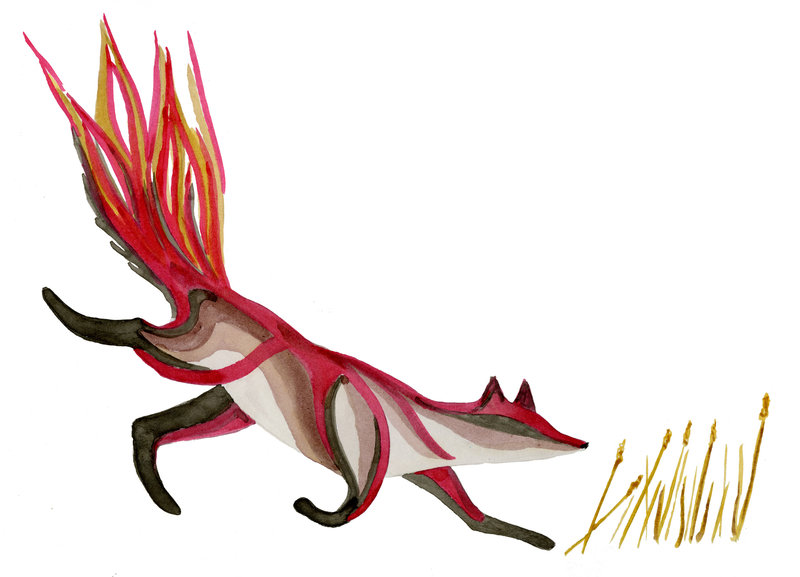
The farmer finally caught the fox.  ”Now you will pay for what you did to me!’ He soaked a rope in oil, tied it to the fox’s tail and set it on fire. The fox was aflame, but it squirmed and broke lose. It ran from the farmer and dashed into the wheat fields that were ready for harvest. All of the farmer’s wheat fields caught fire, destroying his farm and all of his crops.

Yoga Asana:

Who is this story about?

Farmer: Warrior Ivirabrhadrasana I, II and III

Fox: Downward dogadho mukha svanasana

What happens in this story?

Fire: Bound angle pose, baddha konasana

How does the story end?

Running through the fields on fire – Upward facing bow pose, urdva dhanurasana – then rolling side to side, spreading fire as you roll. Then run around the room!

Shavasana and Meditation:

See the farmer in your mind’s eye. See the fox. Think of someone that has harmed you and who bothers you. Smile at that person. Send love and forgiveness.

Discussion:

How are you like the farmer? Have you ever been angry about something someone did? What happened? What did you do? What was the outcome? How would you change what you did? How are you like the fox? Was there a time when you harmed another? What happened? What did you do to make amends for what you did? Is it ever too late to apologize or forgive? Does two wrongs make a right?

Think of a time when you were angry. Where do you feel the anger in your body? In your belly? Heart? Touch that spot. What is the emotion behind the anger? Were you shamed, afraid, betrayed?

How can we deal with the anger we may feel when we are wronged?

  • Breathe
  • Take a time out
  • Talk about it with someone

For older children and teens: Contemplate and discuss the following quotes:

  • “An eye for an eye will make the whole world blind.” – Ghandi
  • “Mercy is setting the prisoner free only to discover the prisoner was me.”
  • “In taking revenge, a man is but even with his enemy; but in passing it over he is his superior.” – Sir Francis Bacon.
  • “If you are slapped on one check, turn the other too.” The Bible Matthew 5:43
  • I mount the loss of thousands of precious lives, but I will not rejoice in the death of one, not even an enemy.” – Martin Luther King, Jr.

Affirmation:

  • I am peace in every step. I am peace in every breath. I am peace.

If you enjoyed this post and are looking for more check out Yoga for Literacy and the Language Arts Page. Be sure to subscribe (RSS or e-mail) or sign up for our newsletter to receive updates on this topic.

2 people like this post.

Posted in benefits, creative, curriculum applications, kids yoga, teens yoga, yoga in schoolComments (2)

Aesops Fables with a Twist: The Lion and the Mouse


Bookmark and Share

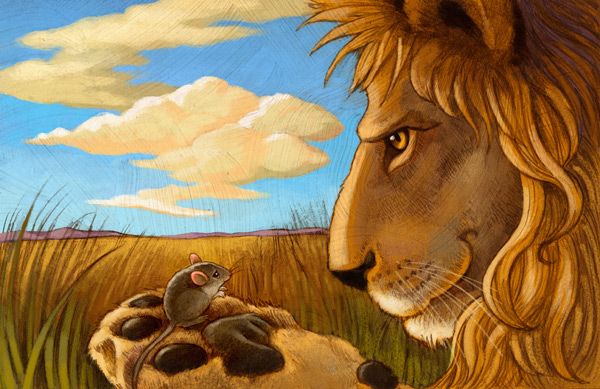
Aesop’s Fables are well loved the world over for their entertainment value and moral education. Here Sydney Solis adapts The Lion and the Mouse into a yoga story perfect for kids yoga classes. Watch next week for The Farmer and the Fox.

As told by Sydney Solis of Storytime Yoga – See original post Mercy or Revenge? Aesop Stories and Yoga for Children

Once upon a time there was a great lion.  Roaming in the jungle, he spotted a tiny mouse and pounced on it. “Ah ha! I have caught you!” The lion roared. “Now I will have a tasty snack!”

The little mouse shook in fear, but found the courage to say, “Lion, please, I beg you. Do not eat me. If you spare my life, I promise to return the favor and help you one day.”

“Ha! How can such a little mouse do anything important for such a great creature as I? I’m hungry!” And he lifted the mouse up by its tail and opened his great jaws wide.

“Please! I am sure I can help you one day! Give me a chance. Such a great creature as you surely has the power to spare some one his life!”

“All right. I will let you free,” the lion said, and went to sleep under a tree.

The next day, the mouse met the lion again, but  this time the lion was caught in a net from a trap that hunters had set for him. The Lion looked at the mouse with sad eyes and said, “Dear friend, can you help me?

And the little mouse looked at this great beast trapped and helpless. Then the mouse said, “Of course!” And went to work gnawing the ropes with his teeth and setting the lion free.

Yoga Asana:

Who is this story about?

LionLion posesimhasana, – roar like a lion, the great courageous and powerful creature that you are.

MouseChild posebalasana, – then squat, bring hands to chest like a mouse and walk around squeaking. No matter how small you are, you are capable of big things!

What happens in this story?

Net – Upward facing bow pose, urdva dhanurasana, or upward boat, urdva navasana, The trap of pride, fear, anger, hatred and revenge.

Gnawing – Opening and closing mouth wide, exaggerating chewing motions, puckering mouth to exercise the muscles of the face.

What is the benefit of showing mercy?

An Open and Free Heart , Peace and Freedom- Camel pose, - ustrasana

Shavasana and Meditation:

Visualize a lion in side your heart. See its radiant, golden mane. Feel its strength, courage and power. The lion’s power comes from his peaceful abiding. He knows that his strength and power comes from divine goodness, forgiveness and love. He does not harm others but grants them mercy and freedom instead.

See a little mouse inside your heart. Know that that little mouse is capable of great things – kindness, intelligence, quick-thinking. Nothing is ever too small to be of no importance. Know that you are important. Practice acts of kindness small and large.

Discussion:

How are you like the lion? Have you ever had the opportunity to have power over another? What did you do?

How are you like the mouse? Have you ever been bullied or threatened by someone bigger and more powerful than yourself? What did you do?

What do you think would have happened if the lion ate the mouse instead of freeing it? How would that have affected the lion’s ability to be freed from the net?

Make a list of creatures in your life that are small and helpless. How do you treat your pet, baby sister or the spider in the bathtub? How does remembering the way you treated them make you feel? Happy? Proud? Ashamed?

How can we treat others who are different from us in looks, clothing, language, religion and nationality with respect and dignity?

Look at your body. Every human being has the same fingers, toes, bones, ligaments, organs and muscles.

Affirmation:

  • I use my power for love and mercy toward all creatures in the world.
  • I treat others as I wish to be treated.

If you enjoyed this post and are looking for more check out Yoga for Literacy and the Language Arts Page. Be sure to subscribe (RSS or e-mail) or sign up for our newsletter to receive updates on this topic.

3 people like this post.

Posted in benefits, creative, curriculum applications, kids yoga, yoga in schoolComments (3)

Kids Yoga Develops Reading Readiness


Bookmark and Share

How Yoga Promotes Early Literacy Skills

Well thought out kids yoga classes can assist in developing literacy skills. Learning to read is a key skill acquired between the ages of 4 and 7 years old. Most academic and career accomplishments depend on success in building a solid reading foundation in Grades 1-3.  A children’s yoga class can facilitate this process in numerous ways thereby supporting lifelong reading competency.

Build Phonemic Awareness

Phonemic awareness is the ability to distinguish sounds (phonemes) in spoken language and is an essential auditory process for emergent readers. Incorporating segmenting, alliteration and rhyming into kids yoga classes are easy ways to facilitate phonemic awareness.  Using music and nursery rhymes when teaching poses also develops sound appreciation. One such example is when practicing Bridge pose you may include the instructions “Build a bridge, bring your bottom to the sky” (alliteration) or sing London Bridge Is Falling Down.

Increase Vocabulary & Comprehension

Kids yoga classes contribute to the background of real world experience. Children are exposed to a wide range of vocabulary while following instructions to complete poses, discussing themes and participating in guided visualizations. This exposure combined with movement and relaxation builds neural systems and improves comprehension which carries over into the classroom.

Enhance Self Esteem & Self Regulation

How a child feels about themselves impacts their ability to learn. Yoga teaches self-acceptance, kindness and discipline in a non-competitive environment where children are encouraged to learn about their bodies, their minds and their emotions. Breathing exercises and visualizations teach focus, relaxation and body awareness. In addition, meditation and mindfulness techniques improve self-regulation which has been linked to the development of reading competence as children mature.

Teacher Training in Yoga for Literacy

Well trained kids yoga instructors will incorporate reading readiness strategies into their classes for children. Yogainmyschool.com offers teacher training on Yoga for Literacy; please contact donna@yogainmyschool.com for more information.

6 people like this post.

Posted in curriculum applications, kids yoga, yoga in schoolComments (5)

Benefits of Music in Kids Yoga Class


Bookmark and Share

Music serenades our lives, adding significance to moments, people, and events, connecting us to our experiences, emotions, memories and dreams. Truly the soul has an innate love of music. In addition, sounds have a profound influence on our cognitive functioning, motor skills, emotional development, behavior and social skills. There is scarcely a single function of the human body which is not affected by musical tones.

Music is a moral law. It gives soul to the universe, wings to the mind, flight to the imagination, and charm and gaiety to life and to everything.  ~Plato

Using music in a children’s yoga class is a wonderful way to allow them to develop their bodies and minds. From simple nursery rhymes to custom written kids yoga scores, children will respond positively to melodies and movement.

Benefits of Music in Kids Yoga Class

Music:

  • connects and brings people together, helping us interact one with another
  • engages our emotions and has a powerful impact on mood and energy levels
  • teaches rhythm, timing, orientation and coordination
  • focuses the mind and increases concentration
  • develops language and speech skills
  • improves listening skills and phonetic awareness
  • encourages creativity and self expression
  • enhances overall health and a sense of well-being
  • increases intelligence and brain connectivity

Best of all kids don’t really care is you can sing or not. So let lose, crank up the tunes, sing a favourite song and dance like no-one’s watching.

For inspiration check out these samples of using music in a kids yoga class: Star Pose, Bug Yoga (spider pose), Shark Attack. Or fill your mp3 player with catchy tunes and enjoy these musically inspired yoga games: Freeze Dance and Musical Mats.

Some valuable resources for your kids yoga class include:

For more information on music in kids yoga visit The Magic of Music on the Kids Yoga Resource.

3 people like this post.

Posted in benefits, creative, kids yoga, yoga basics, yoga in schoolComments (8)


Yoga Cart

Your Yoga Cart is empty

Categories

Top Yoga Blog