Posted on 18 August 2010. Tags: benefits, blog talk radio, curriculum, Debby Kaminsky, fitness, health, kids, school, teens, yoga
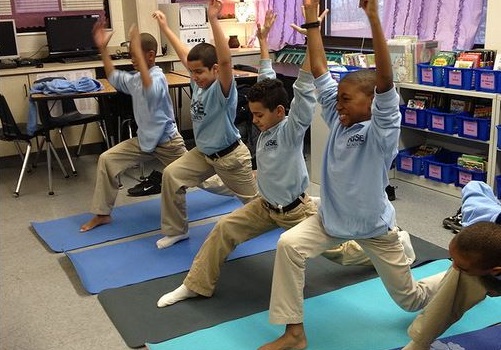
The Newark Yoga Movement’s mission is to help children in NJ reach their full potential. Founder Debbie Kaminsky shares her vision for bringing the benefits of yoga to every child so they may increase focus, peacefulness, confidence and creativity. Urban children face great challenges from succeeding on national achievement tests to avoiding gang activity. Debby show us how yoga can can help and sets an example for others to follow in their own communities
Original air date: August 18, 2010
Audio clip: Adobe Flash Player (version 9 or above) is required to play this audio clip. Download the latest version here. You also need to have JavaScript enabled in your browser.
From its inception in April 2009 to reaching over 2,000 students and 350 faculty members in Newark, NJ and with the backing of Mayor Cory Booker and yoga notables such as Shiva Rea and Gurmukh Kaur Khalsa, the Newark Yoga Movement is making a difference in schools one child at at time. To learn more about the Newark Yoga Movement visit http://www.newarkyogamovement.org
Posted in Blog Talk Radio, yoga in school
Posted on 09 August 2010. Tags: benefits, breathing, health, meditation, music, poses, positive, relaxation, sleep, yoga
Back to school is around the corner. Gone will be the carefree days of summer, the long lazy mornings, and the late nights spent under the stars or visiting with friends and family. I, like many other mothers, are thinking, “How am I ever going to get my kids up and out the door on time?”
With that in mind I’ve started to readjust bedtime to more closely reflect a school night. Knowing that it takes about two weeks for any routine to become part of daily life this process begins now so that we are ready the night before that first day back to class.
Here are some yoga tips to creating a bedtime routine that will lead to a restful sleep for children and parents alike.
- Reduce Stimulus – Children need a winding down period before hitting the hay. In order to maximize a restful sleep begin about an hour before bed to reduce sensory stimulus. In yoga this is called pratyahara (the 5th limb of Yoga according to the Yoga Sutras by Patañjali). Take away video games, turn the TV off, lower the lights, introduce soothing music or the blessed sound of silence. The body will transition from activity to inactivity beautifully when given time to adjust and flow smoothly into relaxation.�

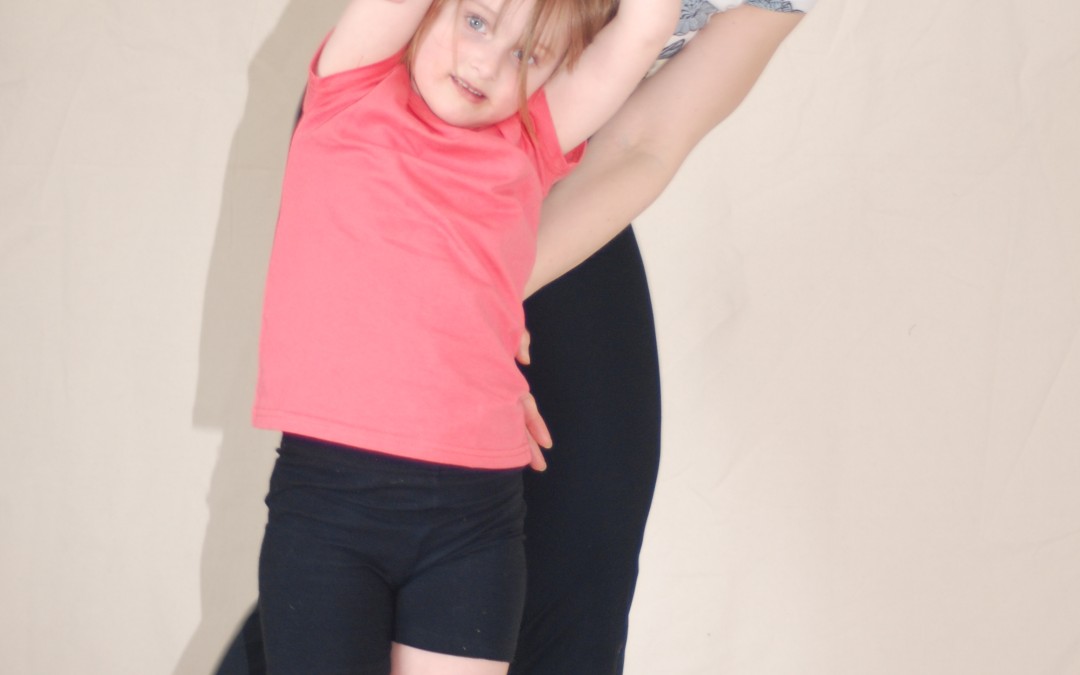
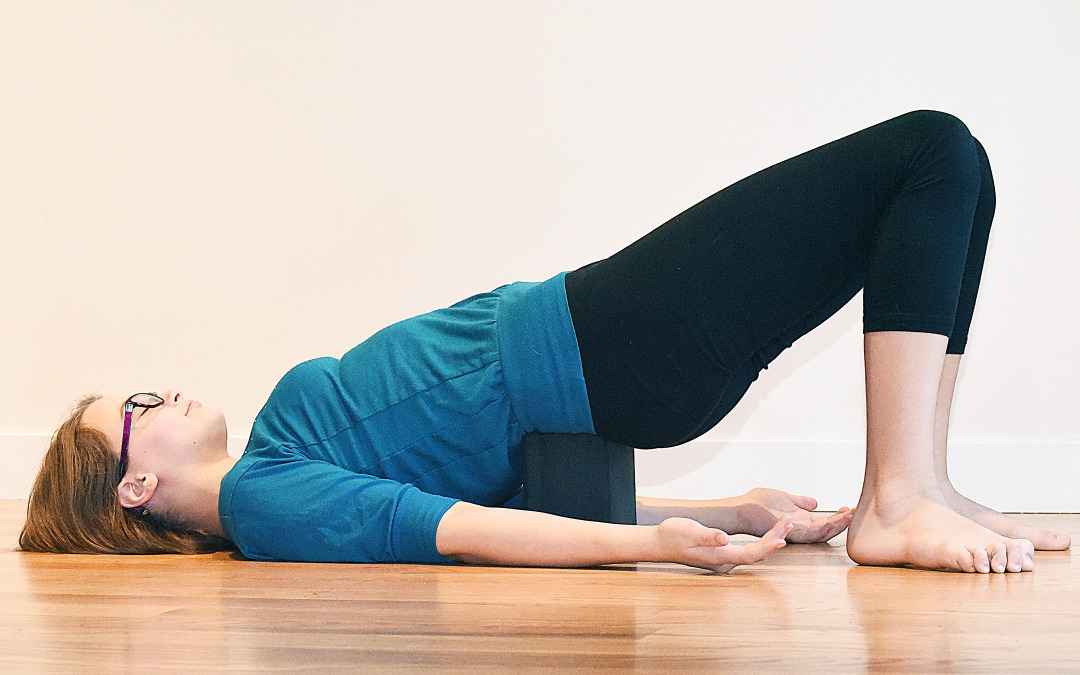
ragdoll pose
- Connect – Taking time to connect with your mind and body is essential to health and wellness even for little ones. Encourage your children to do some restorative yoga poses such as child’s pose, ragdoll, hero’s pose and gentle twists to get the kinks out and reduce muscular strains and stresses from the day’s activities. Also, be sure to take time to connect with one another. Read a story together, chat about the day, share your lives, concerns, hopes and simply enjoy one an-other’s company.
- Establish a Routine – Children thrive on predictability and structure. In yogic terms this is called tapas (self-discipline). Establish an order of events (1. cleanup, 2. bedtime snack, 3. brush teeth, 4. yoga b4 bed, 5. read together, etc.). Create a chart with easy to follow graphics. This is helpful for all children whenever they are learning a routine, but especially for pre-schoolers and those with special needs.
- Be Content – Practice santosha (contentment) one of the yoga niyamas (observances) by learning to be happy with who you are, where you are, and with what you have. Encourage the attitude of what you have is enough and that there is satisfaction and happiness to be found in each day. Five Good Moments is a simple gratitude game you can play daily with your children to develop a thankful heart and mind.
- Practice Pranayama – Yogic breathing techniques are extremely effective at reducing stress and anxiety which often hit children as they are laying in bed waiting to fall asleep. Swimming Stuffies and Take 5 are wonderful breathing exercises that help connect the mind and body. Even very young children can develop breath awareness and practice these safe and simple techniques before drifting off to sleep.
Be sure to allow sufficient time (about an hour) in order not to rush your children as they transition from the day’s activities to calm relaxation. Speak in a calm tone of voice and provide 2-5 minute warnings whenever an activity will change (”In five minutes you’ll need to put away your toys and get into PJ’s.”). Most importantly love your children. Use the time before bed to demonstrate daily how important they are to you.
Remember it takes time to create a routine and fine tune it to your personal needs. Stick with it and you will create a better sleep environment, manage stress and anxiety, as well as calm and nurture yourself and your loved ones.
Another article with great yoga inspired ideas is Bedtime Bliss on the Kids Yoga Resource.
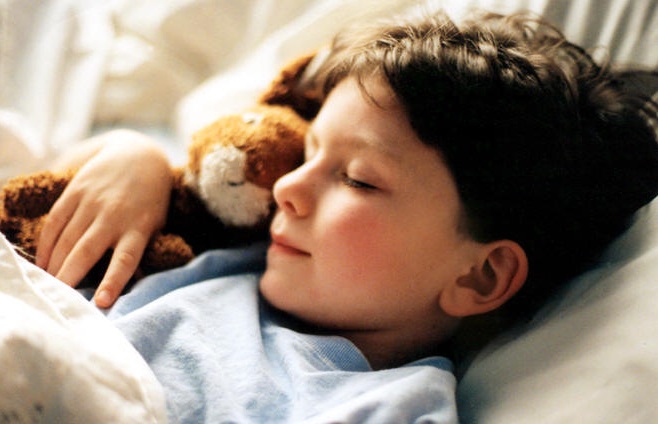
Photo by flickrized
Posted in benefits, breathing, featured, kids, meditation, mindfulness, poses, relaxation, yoga basics
Posted on 05 August 2010. Tags: ayurveda, benefits, blog talk radio, Cate Stillman, fitness, health, how to, teens, yoga
Teenagers Take Care of Your Self, Your Health, Your Life
A teenager’s life can be filled with turmoil and stress. These are important transitional years as individuals move from childhood to adulthood. This episode will focus on how teens can take care of themselves in holistic and natural ways to ensure they live happy, healthy lives. Clinical Ayurvedic Specialist and Certified Anusara Yoga Instructor, Cate Stillman provides ideas on taking charge of your life and how you feel. Numerous suggestions for maximizing teens academic, creative and athletic performance including specifics in yoga, eating, sleeping, studying and meditation will be presented. And maybe even some ideas on how to get rid of those pesky pimples.
Original Air Date: August 5, 2010
Audio clip: Adobe Flash Player (version 9 or above) is required to play this audio clip. Download the latest version here. You also need to have JavaScript enabled in your browser.
Some highlights from this episode include:
- Ayurveda 101 – what is ayurveda and how does it work
- The Three Doshas – Pitta, Vata, Kapha (the best explanation I’ve ever heard)
- Living in synch with nature
- Making prana filled food choices
- Practicing inner hygiene
Cate Stillman can be found on Facebook and her website yogahealer.com.
Posted in Blog Talk Radio, athletes, benefits, teens, yoga basics
Posted on 30 July 2010. Tags: benefits, health, kids, mindfulness, positive, teens, yoga games
Mindfulness Games for Kids & Teens
We often get stuck on negative moments and enlarge their significance. This game teaches children and youth to pay attention to the events of each day and intentionally focus on the positives. It encourages paying close attention, living in the moment and appreciating all that life has to offer. Learning to pay attention to how different moments/events make us feel is an important skill leading to emotional intelligence, improved self understanding and greater compassion and empathy.
Five Good Moments
Suggest to your ‘Negative Nelly’ (my apologies to all the positive Nelly’s out there) that they pay attention today/this week to moments that make them feel good and try to find five different ones. The moment might be a thought that inspires, a view that is lovely and makes them pause, an interaction with someone, etc. What it is doesn’t matter. What matters is that for at least a moment it made them feel good. You do the same. When you get together at the end of the day/in class next week, share your five good things with one another.
We do this as a family each evening, each person saying one thing at a time in a circle, and call it “Thankful For.” Often at the end of a full day the responses are, “I’m thankful for bed, pillows, sleep, etc.” When the offerings get generic and often repeated (my family, my friends, my home) we remind the kids to think of something specific from today (a trip to the park, the colours of the clouds at sunset, the taste of fresh picked berries, etc). We also occasionally switch it up by saying “If I were so-and-so (the family member to their right or left) I would be thankful for…” This is always an interesting exercise and prompts some insightful observations. It also helps teach children to think about others and what happened of importance in someone else’s life that day.
Over the next while YIMS will be providing numerous mindfulness and compassionate living exercises and games so be sure to subscribe (RSS or e-mail) in order to get them delivered directly to your reader or in-box.
photo by Hamed Saber
Posted in benefits, kids, mindfulness, teens
Posted on 12 July 2010. Tags: breathing, grounded, health, how to, kids, mindfulness, relaxation, teens, yoga
Mindfulness means “the awareness that emerges through paying attention on purpose, in the present moment, and nonjudgementally to the unfolding of experiences moment by moment.” (Joh Kabat-Zinn) It is an active process involving staying aware of the external environment and the internal bodily sensations in the present moment without judgement, positive or negative.
Children live in a world of being told what to do: what time to wake up, what to eat, where and when they have various activities such as school, sports, music lessons, etc. This can lead to going through the motions of living without conscious awareness. For example, if you ask them what they ate for lunch they may not be able to tell you. This in not simply because of poor memory, but more likely because they were not paying attention at the time.
Children are often much closer to their experiences than adults. Watch an infant experience anything for the first time; they look at it, touch it, feel it on their face, taste it. Every experience is fresh and new. They live in the moment reacting emotionally and immediately to stimulus, then moving on to the next experience.
However, children also exists on auto-pilot, are easily distracted, are forgetful, lack concentration, have poor self-control and often do not understand themselves or the world. Mindfulness exercises address these concerns and can assist children in living with attention and awareness of themselves and their environment.
Keeping the needs and abilities of children in mind is key when adapting mindfulness exercises to various age groups. Children learn through concrete activities with clear, descriptive instructions. They also enjoy engaging their imaginations and creativity. And don’t forget the power of humour or the need for play.
Be sure to start with brief activities which will lead to success. Beginning with a five minute focus activity will be better than a 15 minute seated meditation.
Like all activities, mindfulness training improves with practice. As they learn mindful techniques, children can practice independently in everyday life: as they walk, as they eat, as they play. Purposefully engaging in their various activities will actively shape the mind helping children to live deeply each moment of daily life.
In the coming months we’ll be posting specific techniques and methods of teaching mindfulness to children and adolescents. Be sure to subscribe (RSS or e-mail) to receive these articles as they are published.
Posted in breathing, featured, kids, meditation, mindfulness, relaxation, teens, yoga basics
Posted on 26 June 2010. Tags: creative, fun, health, holidays, kids, nutrition, positive, relaxation, summer, teens, yoga
Hooray! The long lazy days of summer have arrived. After having successfully completed another school year you can’t wait to spend time doing nothing. It is important to allow kids unstructured time to renew, refresh and come to know themselves. However, more often than not, sometime during the next few months children will utter the words, “I’m bored. There’s nothing to do!” (add whiny voice as appropriate). Here are some suggestions to keep kids active mentally and physically which also nurture them emotionally. Remember summer is a wonderful time to build relationships by spending time playing, doing, and growing together.
- Have family members set summer goals. For example: list of books you want to read, things you want to do, places to visit, skills you need to learn.
- Take your child to the library and sign up for a summer reading program.
- Have your child help put together a first aid kit that can go with you on your many summer outings.
- Give your child an inexpensive camera and let them take pictures of all the fun activities you do over the summer. Create a scrapbook of memories.
- Practice pranayama by blowing bubbles or dandelion heads.
- Pack a picnic and enjoy eating outdoors.
- Watch a baseball/football/soccer/beach volleyball game together. Talk about the rules and how they are important.
- See how many places in your home (not including books) where your child can find words to read.
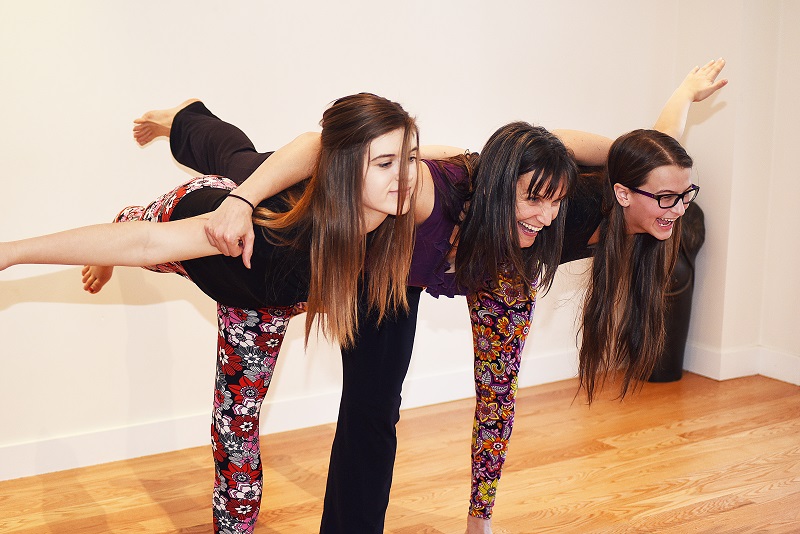
- Make paper airplanes and practice airplane pose (Warrior III with arms out to the side).
- Plant a garden and enjoy tending it throughout the season.
- Visit a local museum or art gallery.
- Sketch or paint outdoors: clouds, night sky, trees, a favourite view, an interesting building…let your imagination and creativity soar.
- Lie on the grass and look at the clouds. Make up stories about the shapes you see.
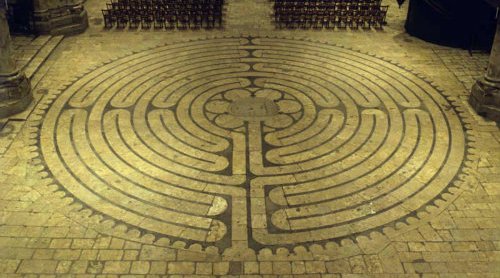
- Colour mandalas. Go for a walk and find mandalas in your neighbourhood (flowers, signs, art, stepping stones, etc).
- Learn geography while watching the World Cup. Find participating countries on a map.
- Teach your child their personal information: phone number, address, etc. Practice each day.
- Can your children tell time? Teach them how to read an analog clock with yoga eyes.
- Check out a book of jokes or riddles. Share one over dinner each day.
- Create an indoor or outdoor miniature golf course. Play a round or two.
- Grab a broomstick and hold a limbo contest. Back-bends open the heart and invigorate the body.
- Add food coloring to a dollop of shaving cream. Let your child use it as finger paint.
- Make homemade ice-cream. Practice two scoops partner pose.
- Help your child write a letter or card to a relative or friend telling about summer events.
- Fly a kite. Practice triangle pose (sometimes called kite pose).
- Have a pillow fight.
- Enjoy face painting and then perform face yoga in the mirror and laugh at your funny faces.
- Read under the stars. Take a blanket and book outside and read with your child by flashlight.
- At dinner have each family member say something nice about every person at the table.
- Make puppets out of a paper bag, an old sock or a stick. Put on a puppet show.
- Cut out pictures from several magazines. Have your child write a story about them.
- Give your child a bucket of water and some paint brushes. Let her “paint” the sidewalk, fence, house, etc.
- Find out when the sun sets and rises in your area. Learn how to do Sun Salutations.
- Look at the stars with your child. Make up new constellations together.
- Find a local kiddie pool, beach or fountain and go wadding.
- Play alphabet games with your child. List countries, animals, cars or yoga poses in alphabetical order.
- Build a fort inside or out using blankets, sheets, boxes, tables, chairs and other items found around the house.
- Meditate upon the breeze as it ruffles the leaves of your favourite tree.
- Create a treasure/scavenger hunt and help your kids follow the clues for a fun reward.
- Play hopscotch.
- Choose a new recipe. Have fun cooking with your child.
- Cut out pictures of healthy foods from weekly grocery ads.
- Discuss the Food Pyramid. Have your child use the pictures from the above activity and make a chart of nutritious choices.
- Look at family photos. Share stories and remember wonderful moments together.
- Play with a hula hoop and discover hoop yoga.
- Make musical instruments from things around your house. Have a concert.
- Play a card game with your child; Crazy 8s, War, Rummy, Old Maid, Go Fish, Snap all build memory, hand-eye coordination & math skills.
- Collect bugs and do insect poses such as locust, spider, inchworm, bumble bee lips, etc.
- Fill water guns, buckets and water balloons and have a water fight.
- Camp out in the back yard.
- Create amazing sidewalk art with sidewalk chalk and a little water.
- Help out at the local SPCA. Learn how to do downward dog pose, cat pose, rabbit pose and other poses for animals at the shelter.
- Visit an orchard or u-pick farm.
- Build sandcastles.
- Feed the ducks at the local pond. Enjoy a great hip opening exercise by walking like a duck.
Posted in breathing, creative, fun, kids, meditation, poses, relaxation